
 By california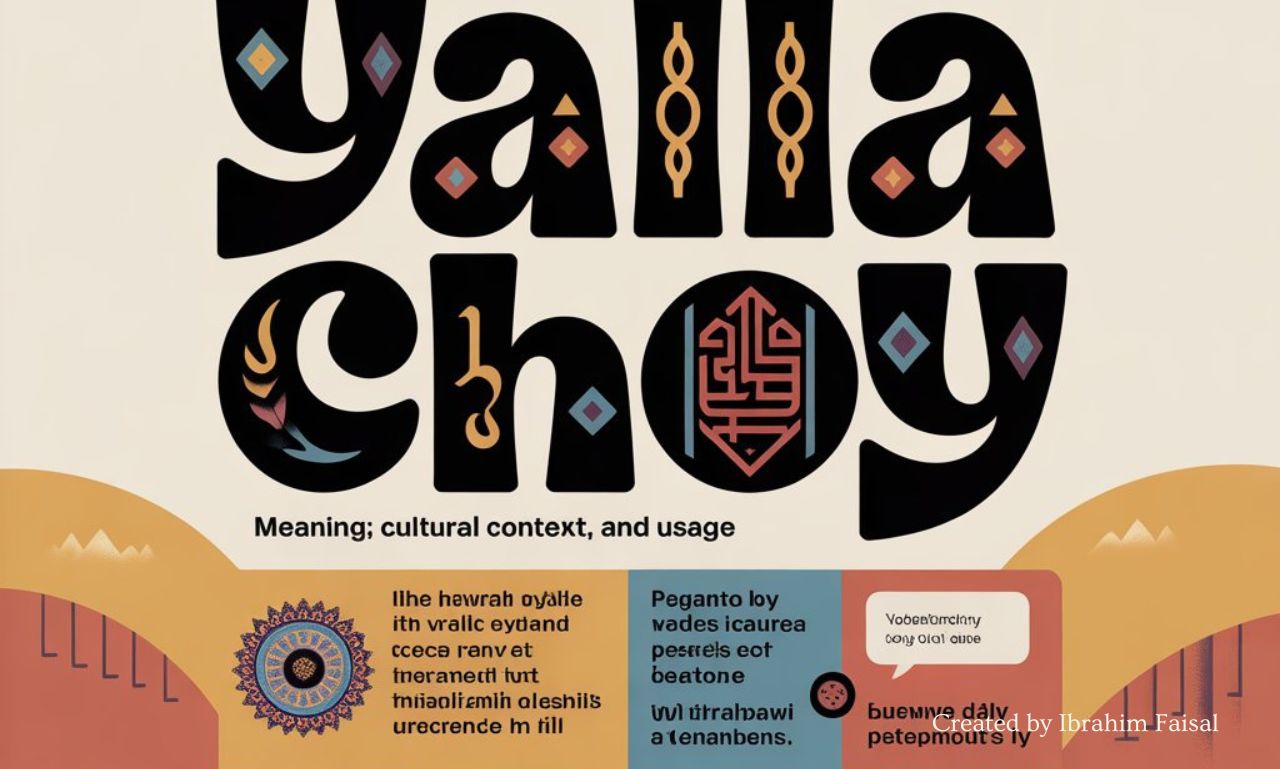
Have you ever found yourself in a moment where urgency meets excitement, and the perfect phrase just pops into your head? Enter “yalla choy.” This vibrant expression has become a staple in conversations, especially among those familiar with Middle Eastern culture. But what does it really mean, and how did it find its way into everyday language?
Join us as we dive into the origins of this lively phrase, explore its cultural significance, and uncover when it’s most commonly used. Whether you’re hearing it for the first time or looking to understand its nuances better, you’ll soon see why “yalla choy” resonates with so many people around the world. Let’s get started!
Origin and Cultural Significance
The phrase “yalla choy” hails from the vibrant tapestry of Arabic and Malay cultures. It embodies a fusion of urgency and encouragement, often used to rally friends or family into action.
Historically, “yalla” translates to “let’s go” in Arabic, while “choy,” derived from Chinese dialects, can mean “to hurry.” This blend illustrates the rich interactions among communities in multicultural regions such as Malaysia and Singapore.
In everyday life, it serves as an informal motivator. Whether at home or out with friends, saying “yalla choy” brings a sense of camaraderie. The phrase reflects not just language but also shared experiences that unite people across diverse backgrounds.
It resonates deeply within local customs. From bustling markets to casual gatherings, its usage highlights the importance of togetherness and spontaneity in social interactions.
Common Situations Where
Yalla choy is often heard in bustling markets or lively street gatherings. It captures the energy of a group eager to start their day.
Picture friends at a café, ready to dive into discussions over coffee. One might throw out a casual “yalla choy” as an encouragement to get things rolling.
In family settings, it can serve as a playful nudge for children who dawdle during breakfast. The phrase transforms routine moments into more spirited interactions.
During sports events, fans might chant it when rallying their team, infusing excitement into the atmosphere.
Even online, social media users adopt yalla choy when urging followers to engage with trending topics or participate in challenges. The phrase bridges cultural gaps and creates connections among diverse communities while resonating with shared enthusiasm.
Alternative Ways of Saying
When it comes to expressing the sentiment behind “yalla choy,” there are several alternatives that capture its essence.
One common phrase is “let’s go,” which conveys urgency and excitement. It works well in casual situations, whether you’re rallying friends for an outing or encouraging someone to take action.
Another option is “come on.” This can add a playful tone, perfect for light-hearted moments or when persuading someone who’s hesitant.
If you want something more formal, consider using “hurry up.” While not as culturally rich, it communicates the same sense of needing promptness.
In some contexts, simply saying “move it” can express urgency with a bit of sass.
Each alternative carries its own flavor and context but ultimately aims to inspire movement and enthusiasm among listeners.
Misconceptions and Stereotypes Surrounding the Phrase
Many people associate “yalla choy” exclusively with one culture. This phrase transcends geographical boundaries, often leading to narrow interpretations. Some believe it’s only used in casual situations, but its versatility allows for a range of contexts.
Another common misconception is that it’s merely an expression of urgency. While it does convey motivation, there’s depth tied to community and camaraderie as well. Using the phrase can foster connections among friends and family during shared experiences.
Stereotypes also arise around accents or dialects when using “yalla choy.” Not everyone who uses the term fits these preconceived notions; language evolves continuously through diverse influences.
This highlights how cultural phrases are rich in meaning yet easily oversimplified by outsiders seeking quick understanding. Embracing the true essence requires more than just surface-level knowledge.
Impact on Society and Pop Culture
Yalla choy has made its mark beyond casual conversation. It resonates in various forms of media, from music to viral videos. Artists have embraced the phrase, incorporating it into lyrics and catchphrases that reflect a fast-paced lifestyle.
On social media platforms, yalla choy frequently surfaces in memes and posts. This showcases a blend of humor and cultural pride among younger generations. The phrase captures a sense of urgency while inviting camaraderie.
Moreover, brands are starting to use yalla choy in their marketing strategies. They recognize its potential to connect with diverse audiences looking for authenticity and relatability.
Television shows often feature characters using the term, adding layers to their personalities. This keeps the phrase alive and relevant within pop culture discussions today.
Conclusion
The phrase “yalla choy” carries a rich tapestry of meaning and cultural significance. Originating from the vibrant streets where Arabic and other regional languages converge, it encapsulates a sense of urgency and motivation. It’s not merely a call to action; it’s an expression deeply rooted in community interaction.
In everyday life, you might hear “yalla choy” during gatherings or while planning activities. Whether you’re urging friends to hurry up or motivating teammates at work, its usage is diverse yet consistent across different contexts. There are also alternative expressions that convey similar sentiments, showcasing the linguistic creativity found within various cultures.
However, misconceptions abound regarding this term. Some may oversimplify its meaning or apply stereotypes that don’t accurately reflect its depth. Understanding these nuances fosters greater appreciation for the phrase and those who use it.
The impact of “yalla choy” extends beyond personal interactions; it has found its way into pop culture as well, reflecting how language evolves through media representation and social dynamics.
As we continue to explore our interconnected world, phrases like “yalla choy” remind us of the importance of cultural exchange—how language can enrich our experiences and connect us on deeper levels.