
 By california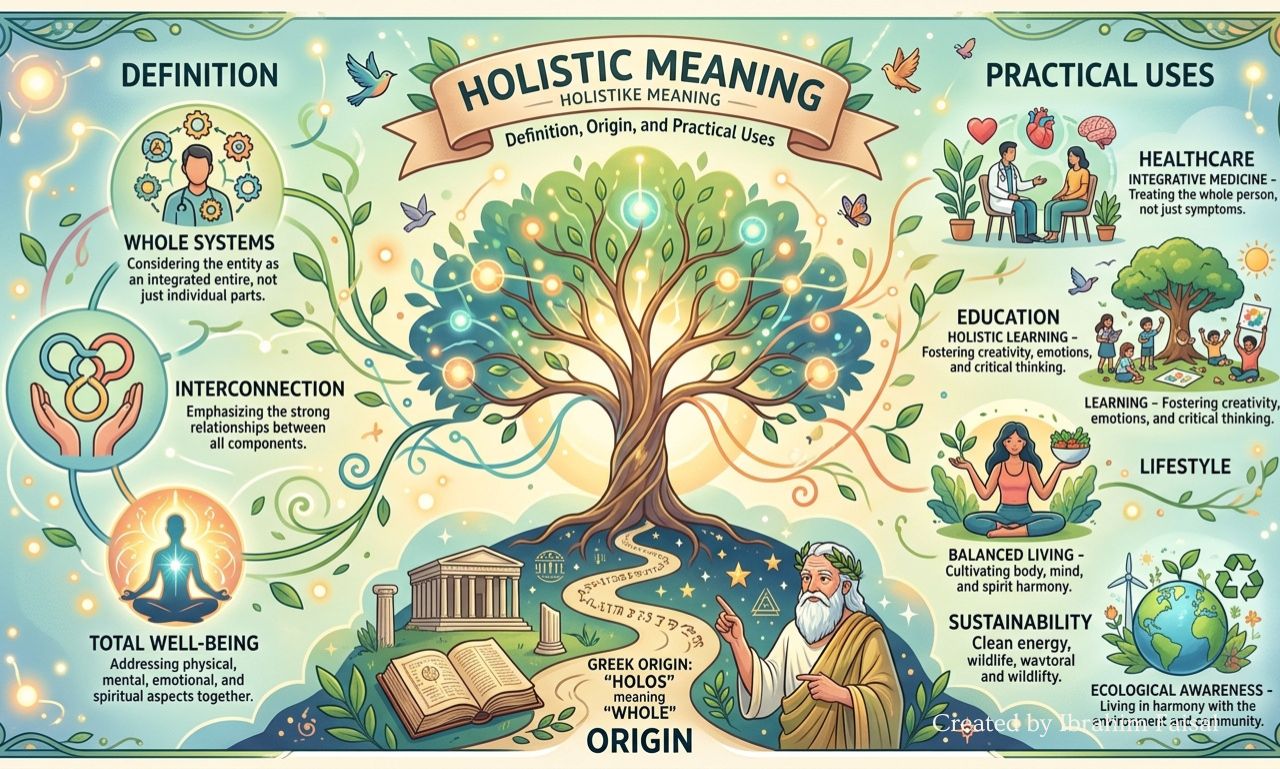
Have you ever felt like life is a complex puzzle, with pieces that don’t quite fit together? Enter “holisticke,” a term that invites us to view the world through a broader lens. It encourages us to see beyond the surface and connect various aspects of our existence—mind, body, spirit, and environment. This approach transcends traditional boundaries in health, education, and personal development. Whether you’re seeking balance in your daily routine or looking for deeper insights into your overall well-being, understanding holisticke can be transformative. Join us as we explore its meaning, origin, practical uses in everyday life, and how it can enhance your journey toward wellness and growth.
What is Holisticke?
Holisticke is a concept that emphasizes the interconnectedness of all aspects of life. It stems from a holistic approach, which views individuals as integrated systems rather than isolated parts. This perspective encourages us to consider mental, emotional, physical, and spiritual dimensions together.
At its core, holisticke invites exploration and understanding. It pushes against conventional methods by promoting harmony within oneself and with the environment. Instead of addressing symptoms in isolation, it seeks to uncover root causes and underlying patterns.
People often describe holisticke as a way to foster balance and wellbeing. Whether applied in health practices or personal growth strategies, it offers valuable insights into how different elements influence one another. This expansive viewpoint empowers individuals to make informed choices that resonate on multiple levels—creating pathways for deeper fulfillment in daily life.
The Origin of Holisticke
The term “holisticke” traces its roots to the word “holistic,” which emerged in the mid-20th century. It signifies a perspective that emphasizes the interconnection of parts within a whole.
This approach finds inspiration in ancient philosophies, including those of Eastern traditions. They have long recognized that every element—be it physical, emotional, or spiritual—is part of an intricate web.
In modern contexts, holisticke has evolved beyond theoretical frameworks. It now influences various fields such as medicine and psychology. The idea is simple yet profound: understanding complex systems requires looking at more than just individual components.
As societies increasingly value interconnectedness, this concept gains traction globally. From health practices to personal development strategies, holisticke continues to resonate with those seeking comprehensive solutions for well-being and growth.
How is Holisticke Different from Other Approaches?
Holisticke stands apart from conventional approaches by emphasizing the interconnectedness of all aspects of life. While traditional methods often focus on isolated symptoms or problems, holisticke embraces a comprehensive perspective.
This approach considers not just the physical body but also emotional, mental, and spiritual dimensions. It recognizes that every element influences overall well-being.
Unlike reductionist strategies that dissect issues into smaller parts, holisticke promotes integration. It encourages individuals to view themselves as whole beings rather than fragmented components.
Another distinguishing feature is its personalized nature. Holisticke solutions are tailored to individual needs and circumstances, ensuring relevance and effectiveness in addressing unique challenges.
This method fosters deeper self-awareness and understanding. By cultivating a holistic mindset, people can tap into their innate potential for growth and healing in ways that other approaches may overlook.
Practical Uses of Holisticke in Daily Life
Holisticke can transform everyday routines, creating a more integrated and balanced life. It encourages individuals to view their experiences as interconnected rather than isolated events.
For example, when preparing meals, choosing whole foods over processed options aligns with holistic principles. This choice not only nourishes the body but also supports emotional well-being.
In relationships, embracing holisticke means recognizing how communication impacts emotional health. By fostering open dialogue and empathy, connections deepen significantly.
Mindfulness practices are another practical application. Simple techniques like deep breathing or meditation can help center thoughts and emotions throughout a busy day.
Incorporating movement—whether it’s yoga or a brisk walk—encourages physical activity while promoting mental clarity. Each of these actions reflects the essence of holisticke by focusing on overall harmony in daily activities.
Incorporating Holisticke into Health and Wellness Practices
Incorporating holisticke into health and wellness practices transforms how we view well-being. Rather than focusing solely on physical symptoms, this approach emphasizes the connection between mind, body, and spirit.
Mindfulness plays a crucial role here. Techniques such as meditation or yoga can enhance mental clarity while supporting emotional balance. By attending to these aspects, individuals often notice improved overall health.
Nutrition is another vital element in a holisticke framework. Choosing whole foods that nourish the body fuels energy levels and promotes vitality. The right diet not only supports physical health but also enhances mood and cognitive function.
Additionally, fostering supportive relationships contributes to holistic wellness. Engaging with community or loved ones nurtures social connections essential for emotional resilience.
Integrating these facets creates a comprehensive strategy for enhancing personal well-being through a more rounded perspective on life’s challenges.
Holisticke in Education and Personal Growth
Holisticke approaches in education emphasize the interconnectedness of knowledge, skills, and personal development. This method encourages students to see beyond traditional subject boundaries. Instead of isolating subjects, learners explore how different disciplines relate and influence one another.
Incorporating holistic techniques can foster a deeper understanding of concepts. It promotes critical thinking and creativity, allowing students to engage with material on various levels.
Personal growth thrives within this framework as well. Holisticke principles encourage self-reflection and mindfulness in learning environments. Students are motivated to explore their passions while developing emotional intelligence alongside academic skills.
This educational philosophy nurtures not just intellectual capabilities but also social awareness and empathy among peers. By embracing holisticke methods, both educators and learners create more enriching experiences that prepare them for life’s complexities beyond school walls.
Final Thoughts on the Power of Holisticke
Holisticke offers a refreshing perspective on understanding ourselves and the world around us. By embracing this approach, we acknowledge that everything is interconnected. This mindset encourages us to look beyond individual components and appreciate the bigger picture.
In health and wellness, adopting holisticke principles can lead to more meaningful experiences. It promotes balance among body, mind, and spirit. When we integrate these elements into our daily lives, we often find greater satisfaction and well-being.
Education also benefits significantly from holisticke practices. Students who engage in holistic learning develop critical thinking skills while fostering creativity. They become more adaptable problem solvers equipped for an ever-changing world.
As you explore the concept of holisticke further, consider how it can enhance your life across various dimensions—be it personal growth or professional development. Embracing this philosophy invites deeper connections with yourself and others.
The power of holisticke lies in its ability to transform perspectives and experiences by illuminating the intricate web of relationships that shape our existence.