 By california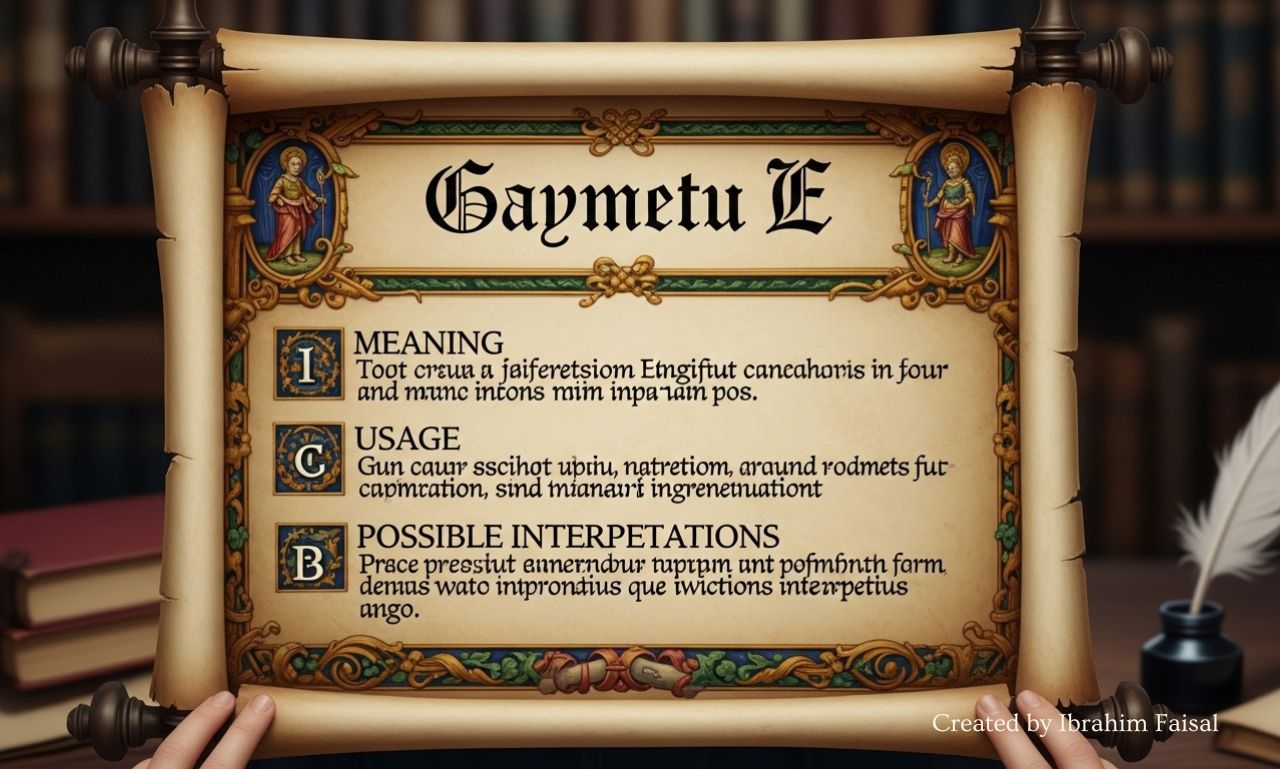
Welcome to the vibrant world of Gaymetu E, where language transcends mere communication and becomes a rich tapestry woven from culture and identity. This unique expression is more than just words; it’s a reflection of experiences, emotions, and narratives that resonate within diverse communities. Curious about what makes Gaymetu E stand out? Let’s dive into its origin, distinct characteristics, daily usage, interpretations, and the profound impact it has on society. Whether you’re already familiar with this captivating language or hearing about it for the first time, there’s much to discover here!
Origin and History of Gaymetu E
The origin of Gaymetu E is steeped in cultural richness and diversity. This unique language has roots that trace back to the early communities who spoke it, evolving alongside their traditions and practices.
Historically, Gaymetu E emerged as a form of expression during significant social movements. It served as a bridge for communication among marginalized groups, allowing them to share experiences in an inclusive manner.
Over time, the language absorbed influences from neighboring dialects and cultures. This blending enriched its vocabulary and style, making it dynamic and adaptable.
Today, Gaymetu E stands not just as a means of communication but also as a testament to resilience. Its history reflects struggles for identity while celebrating the vibrant tapestry woven by its speakers throughout generations.
The Unique Features of Gaymetu E Language
Gaymetu E stands out for its vibrant expressiveness. This language thrives on the nuances of emotion, conveying feelings in ways that often transcend conventional communication.
One remarkable aspect is its use of metaphor and imagery. Many phrases paint vivid pictures, making conversations feel alive and dynamic.
The structure of Gaymetu E also reflects a deep connection to community values. It incorporates traditional narratives, linking speakers to their history and identity through shared stories.
Additionally, the rhythm and flow are distinctively musical. Tonal variations can change meanings entirely, creating an engaging auditory experience for listeners.
Social context heavily influences vocabulary choices too. Words may shift meaning based on who is speaking or where a conversation takes place, showcasing the adaptability of this rich linguistic tapestry.
Usage and Examples of Gaymetu E in Daily Life
Gaymetu E has found its way into the daily lives of many, serving as a vibrant means of expression. It’s not just a language; it’s a living tapestry woven with emotion and identity.
In conversations among friends, you might hear phrases that reflect humor or warmth. For instance, saying “Ami gayme!” can be a playful way to greet someone. It encapsulates joy in simple moments.
Social media is another arena where Gaymetu E thrives. Users often share memes or quotes infused with its unique flair. Hashtags like #gaymetulife capture experiences that resonate deeply within the community.
Even in art and music, the influence of Gaymetu E is profound. Lyrics sometimes incorporate phrases from this language, adding layers of meaning that speak directly to shared cultural experiences.
This dynamic usage showcases how Gaymetu E enriches communication across various platforms and settings.
Possible Interpretations of Gaymetu E Words and Phrases
Gaymetu E words and phrases often carry layered meanings. Context plays a crucial role in how these expressions are understood.
For instance, the term “Yemuka” can denote both friendship and loyalty, depending on the context of its usage. This duality reflects deeper cultural values embedded in conversations.
Similarly, metaphors are prevalent in Gaymetu E. A phrase like “dancing under the stars” might signify hope or aspiration rather than a literal activity. It invites listeners to explore broader themes beyond surface-level interpretations.
Nuances also emerge through intonation and body language when spoken aloud. The vibrancy of expression adds richness to communication that written words alone sometimes miss.
As speakers navigate these complexities, they embrace a shared understanding that fosters connection within their community. Such interpretative layers deepen appreciation for the beauty embedded in Gaymetu E’s linguistic landscape.
Significance and Impact of Gaymetu E on Culture and Society
Gaymetu E holds immense significance within its community, offering a lens through which culture and identity can be expressed. This language is not merely a means of communication; it embodies the values and traditions of those who speak it.
Through Gaymetu E, individuals connect with their heritage. It serves as an anchor for shared experiences and collective narratives. The words chosen often reflect deeper meanings that resonate with people’s lives.
Moreover, Gaymetu E fosters inclusivity by embracing diverse perspectives. Its use in everyday interactions enhances social bonds among speakers, creating a sense of belonging that transcends linguistic barriers.
As societies evolve, so does the role of languages like Gaymetu E. They challenge dominant cultural narratives while celebrating differences. In doing so, they contribute to a richer tapestry of human expression and understanding across communities.
Embracing Diversity Through Language Diversity
Language is a powerful tool that reflects the richness of human experience. Gaymetu E stands as a testament to this truth. By embracing languages like Gaymetu E, we open doors to new perspectives and cultural insights.
This language encourages us to celebrate our differences while recognizing shared humanity. It fosters communication within communities and promotes understanding among diverse groups.
As we explore various languages, including Gaymetu E, we empower ourselves and others. We acknowledge the beauty in diversity, creating an inclusive society where everyone has a voice.
Incorporating varied linguistic expressions enriches our lives and strengthens social bonds. So let’s continue to embrace the myriad of languages that exist around us as we honor identity through expression!