
 By california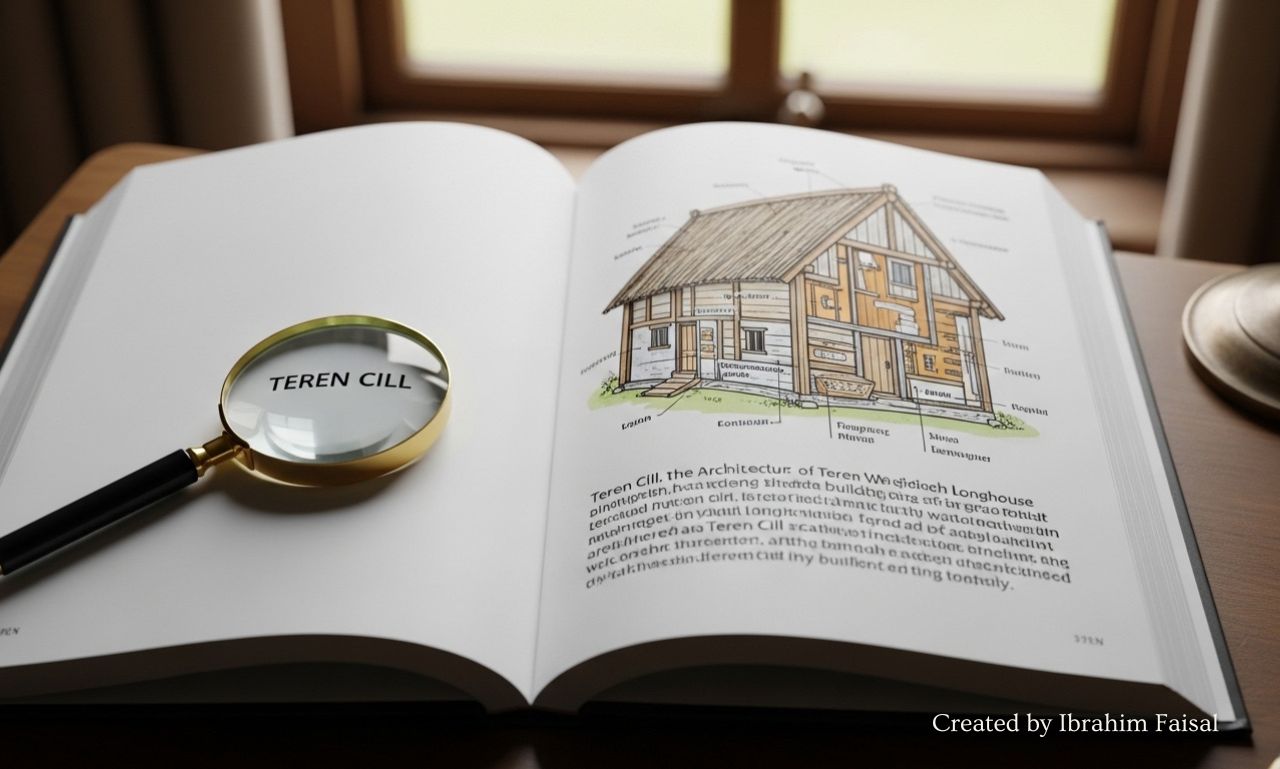
Teren Cill is a term that carries layers of meaning and history, intriguing many who stumble upon it. It evokes curiosity and invites exploration into its rich cultural roots. This fascinating phrase encapsulates more than just words; it represents the intersection of tradition, spirituality, and community.
As you delve deeper into what it signifies, you’ll discover how it has shaped beliefs and practices throughout generations. From ancient origins to its modern-day relevance, there’s much to uncover. Whether you’re familiar with the term or completely new to it, understanding it opens doors to a broader appreciation of culture and heritage. Let’s embark on this journey together!
Origins of the Term Teren Cill
The term “Teren Cill” has roots deeply embedded in Irish culture and history. It derives from the Gaelic words “tír,” meaning land, and “cill,” which translates to church or cell. Together, they evoke a sense of sacred space connected with the landscape.
Historically, Teren Cills were often associated with early Christian settlements. These sites served as places of worship and community gathering during a time when Christianity was establishing its foothold across Ireland.
Over centuries, many Teren Cills became pivotal landmarks. They represented not just spiritual sanctuaries but also centers for education and healing within local communities.
As language evolved, so did the interpretations of it . While it originally identified specific locations tied to religious significance, today it resonates with broader meanings related to heritage and spirituality among those exploring Irish history.
Cultural Significance of Teren Cill
Teren Cill holds a profound place in the cultural fabric of various communities. Often viewed as more than just a term, it embodies traditions and beliefs that have been passed down through generations.
In many cultures, Teren Cill is associated with sacred spaces. It can represent places of worship or significant communal gatherings. These connections to spirituality reinforce its importance in local customs and rituals.
Artistic expressions also draw inspiration from it . Music, dance, and visual arts often incorporate themes tied to its meaning, showcasing how deeply intertwined it is with identity.
Moreover, it serves as a bridge between past and present. It reminds individuals of their roots while encouraging them to explore contemporary interpretations within their cultural contexts. This dynamic keeps the significance alive for future generations.
How Teren Cill is Used in Modern Society
Teren Cill has found its way into various aspects of contemporary life. Many communities recognize it as a term steeped in history, often evoking curiosity and respect.
In education, it is used to teach cultural heritage. Schools incorporate discussions around the term in classes covering local history or geography. This sparks interest among students about their roots.
Artists also draw inspiration fromit it . Painters and writers explore themes related to identity and belonging, reflecting on how traditions shape modern existence.
Social media platforms have amplified its significance too. Hashtags featuring it help connect people with shared interests in culture and folklore, creating virtual spaces for discussion.
From literature to art galleries, the essence of it resonates widely today. It serves as a bridge linking past traditions with current trends while inviting new interpretations by each generation.
Misconceptions and Controversies Surrounding Teren Cill
Teren Cill often sparks curiosity, but with that comes a range of misconceptions. Many believe it refers solely to one specific location or cultural practice. In reality, its meaning can vary depending on regional interpretations.
Some people associate it purely with religious significance, overlooking its historical roots in local traditions and folklore. This limited view can lead to misunderstandings about its true importance within communities.
Controversies also arise when discussing the preservation of sites associated with it . Debates frequently surface regarding commercialization versus conservation efforts. Each side presents compelling arguments about how best to honor this rich heritage.
Additionally, some claim that modern adaptations dilute the term’s original essence. These concerns highlight ongoing tensions between tradition and contemporary influences in culture today. The dynamic nature of it continues to evoke passionate discussions among enthusiasts and critics alike.
Fun Facts and Trivia About Teren Cill
Teren Cill has intrigued many with its rich history and layered meanings. One fun fact is that the name is derived from Old Irish, translating to “the land of the church.” This highlights its deep-rooted connection to spirituality.
Another interesting tidbit involves various locations named Teren Cill across Ireland. Each site tells a story, often linked to ancient rituals or local legends.
Did you know? In modern times, Teren Cill has inspired artists and writers alike. Its mystique resonates through literature and folk tales.
Furthermore, some believe that visiting sites associated with Teren Cill can bring about a sense of peace and reflection. This belief adds an almost magical allure surrounding the term today.
The combination of history, culture, and personal experience continues to keep Teren Cill relevant in contemporary discussions about heritage.
The Enduring Legacy of Teren Cill
The legacy of Teren Cill is woven deeply into the fabric of both history and modern culture. This term evokes rich narratives, connecting people to their ancestral roots and shared experiences. Its origins offer a glimpse into ancient traditions, while its cultural significance continues to resonate today.
As communities evolve, so does the interpretation of Teren Cill. New generations are discovering its meaning and relevance in contemporary contexts. The way it fosters connection among people demonstrates its timeless appeal.
Many still associate Teren Cill with certain rituals or practices, reinforcing communal bonds that have persisted through time. These connections serve as reminders of where we come from and highlight our collective journey.
In today’s world, Teren Cill stands not just as a word but as a symbol—a representation of resilience, heritage, and identity. It’s clear that this term will continue to inspire individuals for years to come, breathing life into stories old and new alike.
As we reflect on the impact of Teren Cill within various spheres—be it cultural celebrations or personal identities—we see an enduring tradition that refuses to fade away. The essence remains vibrant in our lives, challenging us all to explore what it means personally while embracing the shared histories that unite us all.