
 By california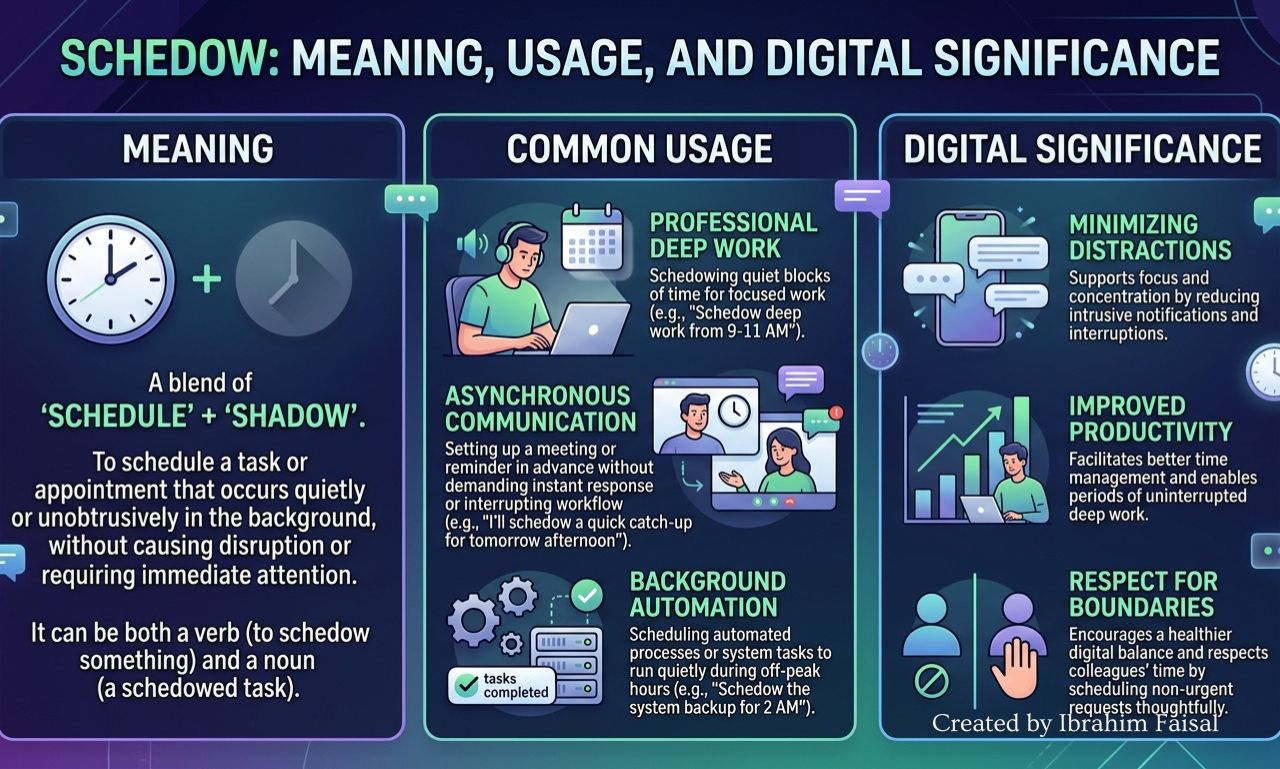
Welcome to the intriguing world of “schedow,” a term that has been captivating digital enthusiasts and marketers alike. Whether you’ve stumbled across it on social media or heard it mentioned in tech circles, schedow is more than just a buzzword; it’s a concept that reflects our evolving relationship with technology. As we navigate this fast-paced digital landscape, understanding schedow becomes essential for anyone looking to stay ahead. So, what does this enigmatic term mean? How did it come about? And why should you care? Let’s dive into the fascinating journey of schedow and uncover its significance in today’s interconnected world.
The Origin and Evolution of the Term
The term “schedow” has intriguing roots that trace back to the fusion of technology and communication. Initially coined in niche digital circles, it represented a blend of scheduling and shadowing online activities.
As platforms evolved, so did its meaning. Schedow began to encapsulate not just time management but also data tracking without direct visibility. This shift reflected society’s growing reliance on digital tools for organization.
In recent years, schedow has gained traction across various industries. Businesses adopted it to streamline operations while maintaining an element of discretion in their workflows. With more people embracing remote work and digital interactions, this term became vital for understanding modern productivity dynamics.
Its usage now spans corporate environments and personal life alike, illustrating how language adapts as technology progresses. The journey of schedow demonstrates our constant quest for efficiency intertwined with privacy considerations in the digital age.
How is Schedow Used in Modern Contexts?
Schedow finds its place in various modern contexts, particularly within the digital landscape. Social media platforms have embraced it as a way to describe fleeting moments or ephemeral content. Users often share quick thoughts or images that don’t require deep engagement but still spark interest.
In marketing, schedow serves as a tool for brands seeking to connect with their audiences through timely updates and promotions. Companies leverage this concept to create urgency around limited-time offers, drawing consumers into action.
Moreover, schedow appears in project management tools where teams utilize quick notes or status updates. These brief interactions facilitate efficient communication without overwhelming team members with information overload.
Creative industries also adopt schedow by incorporating it into brainstorming sessions. Quickfire ideas help generate innovative concepts while keeping the momentum flowing during discussions. Each of these applications highlights how versatile and relevant schedow is today.
The Digital Significance of Schedow
Schedow has steadily emerged as a crucial term in the digital landscape. It represents not just a concept, but an entire way of engaging with technology and audiences.
In today’s online world, schedow often refers to optimized scheduling techniques that enhance productivity. Businesses leverage these methods to streamline operations and improve client interactions.
The rise of remote work has amplified its importance. Teams across the globe now depend on efficient scheduling tools that integrate seamlessly into their workflows—this is where schedow shines.
Moreover, social media platforms utilize schedow principles to maximize engagement timing. Posts are strategically scheduled for peak audience interaction, ensuring brands remain relevant amid constant content flow.
As companies delve deeper into analytics, understanding how consumers interact with scheduled content becomes essential. The insights derived from such strategies can shape marketing efforts and drive success in unprecedented ways.
Benefits and Drawbacks of Using Schedow
Using schedow offers several advantages worth considering. For one, it enhances digital collaboration by streamlining communication and project management. Teams can share updates in real-time, reducing miscommunication and increasing productivity.
On the flip side, reliance on schedow may lead to information overload. With constant notifications and updates, users might feel overwhelmed. This could detract from focus and hinder overall efficiency.
Another benefit is its adaptability across various industries. Businesses can customize schedow to fit their specific needs, promoting versatility in application.
However, there’s a learning curve that some individuals may struggle with initially. Embracing new technology often requires time and patience before reaping full benefits.
Balancing these pros and cons is essential for effective integration of schedow into any workflow or strategy. It’s vital for organizations to assess their unique circumstances carefully before diving in headfirst.
Examples of Companies Utilizing Schedow
Several companies have embraced the concept of schedow to enhance their operations. For instance, tech startups often utilize schedow for project management and team collaboration. By organizing tasks within a flexible framework, they can adapt quickly to changing needs.
E-commerce platforms are also seeing the benefits. They use schedow to streamline inventory management and order processing. This allows them to respond rapidly to consumer demand without losing efficiency.
In the hospitality industry, hotels implement schedow systems for staff scheduling and event planning. This ensures that resources are allocated effectively while maintaining high service standards.
Notably, educational institutions leverage schedow in course scheduling and resource allocation. It helps optimize class offerings based on student needs while balancing faculty workloads efficiently.
These diverse applications highlight how adaptable and impactful schedow can be across various sectors.
The Future of Schedow in the Digital World
The future of Schedow in the digital world is poised to be dynamic and transformative. As businesses continue to evolve, so too will their approaches to utilizing Schedow. With advancements in technology, we can expect more innovative applications that enhance user engagement and improve operational efficiency.
Artificial intelligence and machine learning are likely to play significant roles in shaping how Schedow is implemented across various platforms. These technologies promise smarter analytics and targeted strategies that could redefine customer interactions.
Moreover, as social media continues its upward trajectory, the relevance of Schedow cannot be overstated. It offers a unique opportunity for brands to connect with audiences on a personal level. Companies leveraging this term effectively may find themselves ahead of the curve in audience engagement.
Challenges will persist as well—data privacy concerns and rapidly changing algorithms require continuous adaptation from businesses using Schedow. Companies must stay agile while implementing best practices for transparency and consumer trust.
As new trends emerge, it will be crucial for organizations to keep an eye on shifts within their respective industries regarding the use of Schedow. By staying informed about innovations and consumer preferences, they can harness its potential fully.
The landscape surrounding Schedow is evolving quickly. Those who embrace these changes proactively are likely to thrive amid competition while offering meaningful experiences for users everywhere.