 By california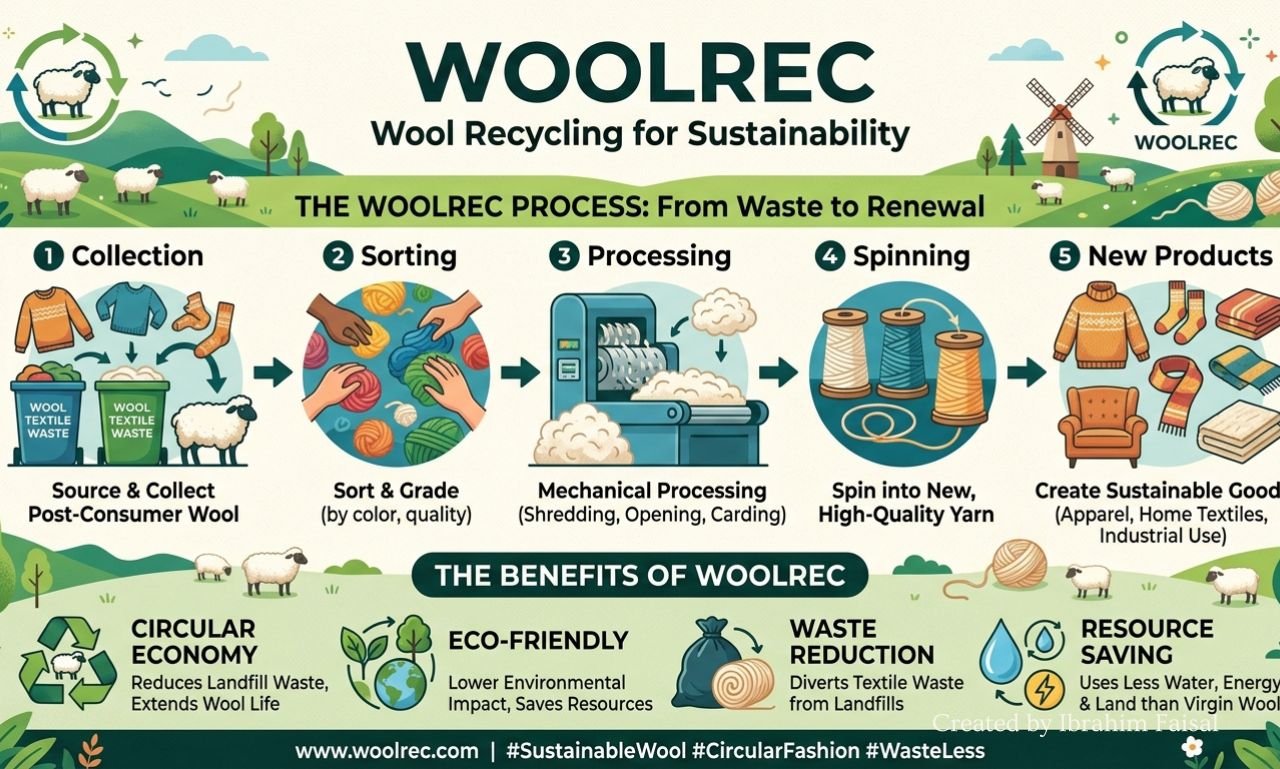
Woolrec is not just a name; it’s a movement toward sustainability. With an increasing awareness of environmental challenges, Woolrec stands at the forefront of wool recycling, transforming discarded fibers into valuable resources. The mission? To reduce waste and promote eco-friendly practices within the textile industry.
As consumers become more conscious of their choices, initiatives like Woolrec are essential in reshaping our relationship with materials. From farm to fashion, the journey of wool has significant implications for our planet. By choosing to recycle wool rather than tossing it aside, we can make strides toward preserving natural resources and minimizing pollution.
Let’s delve deeper into how Woolrec is shaping a greener future through innovative recycling processes and community engagement!
The environmental impact of wool production
Wool production has a significant environmental footprint that often goes unnoticed. Raising sheep requires vast amounts of land, water, and feed. Over-grazing can lead to soil erosion and desertification in some areas.
Additionally, the greenhouse gas emissions from livestock contribute to climate change. Methane produced by sheep is particularly potent, making wool’s impact more concerning than it seems at first glance.
The use of chemicals in dyeing and treating wool also poses threats to ecosystems. Water pollution from these processes can harm local wildlife and disrupt habitats.
Moreover, the waste generated during shearing and processing adds another layer of environmental concern. Finding alternatives for this waste is crucial for promoting sustainability within the wool industry.
The benefits of wool recycling
Wool recycling offers a multitude of environmental benefits. First, it significantly reduces waste. Instead of ending up in landfills, discarded wool products can be transformed into new materials.
Recycling wool also conserves resources. The process requires less water and energy compared to producing virgin wool. This means a smaller carbon footprint overall.
Moreover, recycled wool boasts excellent thermal properties. It retains warmth effectively while being lightweight, making it ideal for various applications like insulation or fashion items.
Economic advantages emerge as well; communities benefit from job creation in the recycling sector. This aligns with sustainable practices that encourage local economies to thrive without compromising ecological integrity.
Engaging in wool recycling fosters awareness about sustainability among consumers and businesses alike—an essential step toward creating a more eco-conscious society focused on responsible choices.
How Woolrec works: from collection to processing
Woolrec’s process begins with the collection of wool waste from various sources. This includes textile manufacturers, retailers, and even individual consumers looking to dispose of their old wool garments.
Once collected, the wool is sorted based on its quality and type. This step ensures that only the best materials are chosen for recycling.
Next comes cleaning. The raw wool undergoes a thorough washing to remove any dirt or contaminants. This clean slate allows for better processing efficiency.
After cleaning, the wool is shredded into smaller pieces. These fibers are then processed using eco-friendly techniques that maintain their inherent properties while preparing them for new applications.
Woolrec transforms these recycled fibers into innovative products like insulation material or yarns for knitting—showing how discarded wool can re-enter the circular economy effectively.
Creative uses for recycled wool
Recycled wool opens up a world of creative possibilities. Artists and crafters are increasingly embracing this sustainable material in innovative ways.
Knitters can transform recycled wool into cozy blankets, stylish hats, or intricate scarves. Each piece tells a story of sustainability while showcasing unique textures and colors.
For home decorators, felted wool can be repurposed into vibrant wall hangings or eye-catching cushions. These items bring warmth to any space with their eco-friendly charm.
Additionally, schools and community centers often use recycled wool for hands-on projects. Children learn about sustainability while creating fun crafts like puppets or ornaments.
Fashion designers also see potential in recycled yarns for new clothing lines that prioritize ethical practices. This trend not only champions creativity but promotes awareness about waste reduction in the fashion industry as well.
Embracing these ideas allows everyone to contribute to a greener future while enjoying the beauty of craftsmanship.
Success stories and partnerships
Woolrec has forged incredible partnerships that highlight the power of community in sustainability. Collaborations with local farmers have led to efficient collection systems, ensuring excess wool doesn’t go to waste. These efforts not only benefit the environment but also support rural economies.
One standout success story comes from a partnership with a fashion brand committed to circularity. By integrating recycled wool into their collections, they’ve reduced their carbon footprint and inspired customers to rethink textile consumption.
Schools and educational institutions are also getting involved. Workshops on wool recycling educate young minds about sustainability while sparking creativity through hands-on projects using recycled materials.
These partnerships showcase how collective action can drive meaningful change in the textile industry, demonstrating that every contribution counts toward a greener future for our planet.
How individuals can support and get involved with Woolrec
Getting involved with Woolrec is easier than you might think. Start by spreading the word about wool recycling in your community. Share information on social media or organize local events to raise awareness.
Consider hosting a clothing drive for unwanted wool items. Collecting sweaters, scarves, and blankets can provide valuable resources for Woolrec’s mission. Every piece counts towards reducing waste.
If you’re crafty, try upcycling old wool garments into new products. This not only keeps textiles out of landfills but also showcases the versatility of recycled materials.
For those passionate about sustainability, volunteering is an excellent way to contribute directly. Whether through sorting donations or participating in educational workshops, every effort helps promote eco-friendly practices.
Consider becoming a regular donor. Financial contributions enable Woolrec to expand operations and invest in innovative recycling technologies that benefit our planet long-term.
Making a difference through sustainable practices
Woolrec stands at the forefront of a crucial movement toward sustainability in the textile industry. By promoting wool recycling, they not only provide an eco-friendly alternative but also raise awareness about the environmental consequences of traditional wool production.
Individuals have a pivotal role to play in this journey. By choosing to support Woolrec, you contribute directly to reducing waste and conserving natural resources. Every small effort counts—whether it’s donating unused wool items or spreading the word about the benefits of recycling.
Local communities can organize collection drives or workshops that educate others on sustainable practices. Businesses can partner with Woolrec to enhance their corporate social responsibility efforts while contributing positively to their brand image.
When we embrace sustainable practices, we create ripples that extend beyond our immediate environment. Each recycled fiber represents a step forward in reducing landfill contributions and minimizing greenhouse gas emissions associated with new wool production.
Join hands with Woolrec and help craft a future where sustainability is woven into every fabric of society. Your involvement can inspire change, foster innovation, and pave the way for more responsible consumption patterns across all industries. Together, we can transform how we view textiles and make significant strides toward preserving our planet for generations to come.