
 By california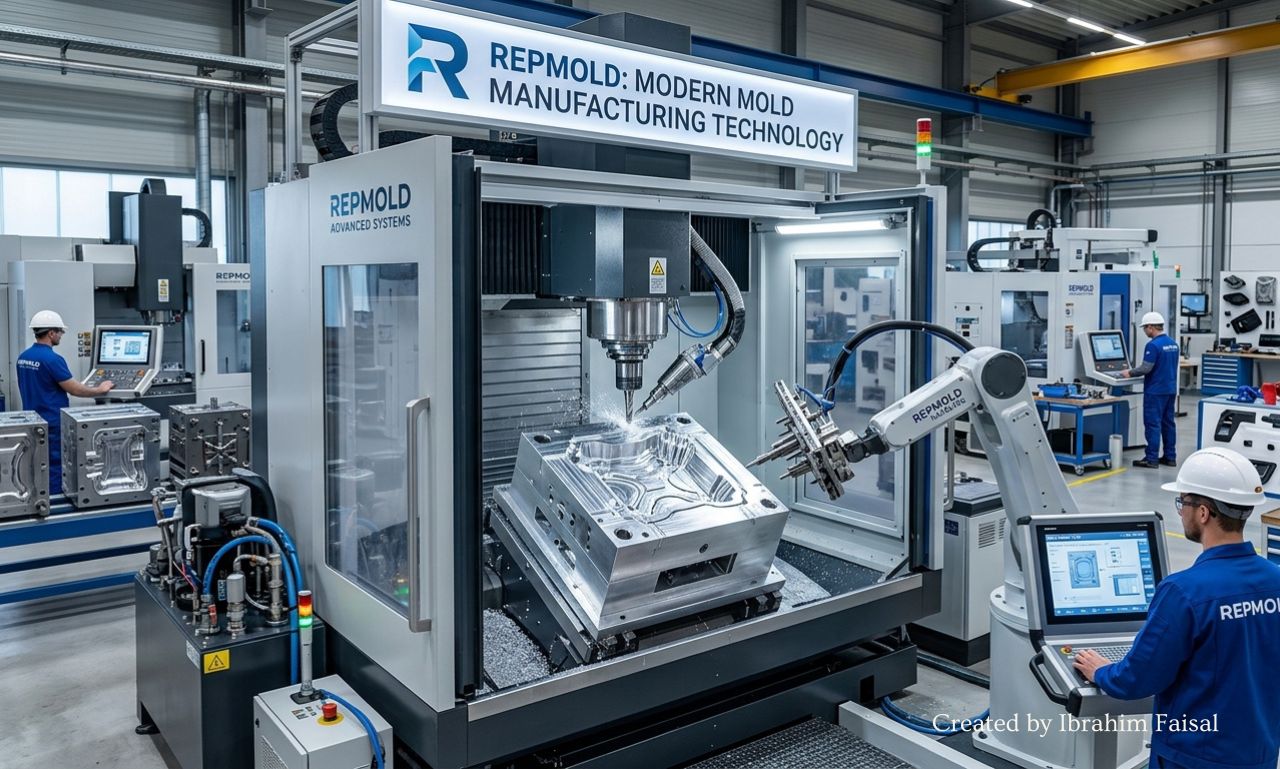
Mold manufacturing has long been a cornerstone of the production process across various industries. From automotive parts to consumer goods, molds are essential for creating precise and durable components. However, traditional mold-making methods can be time-consuming and costly. Enter Repmold—a revolutionary technology that is transforming how molds are designed and manufactured.
With its innovative approach, Repmold aims to streamline processes while enhancing quality and precision. But what exactly does this mean for manufacturers? And how does it compare to conventional techniques? Let’s dive into the fascinating world of mold manufacturing technology and discover how Repmold is setting new standards in efficiency and effectiveness.
The Evolution of Mold Manufacturing Technology
Mold manufacturing has come a long way since its inception. Initially, craftsmen shaped molds by hand using rudimentary tools. This labor-intensive process was time-consuming and often inconsistent.
As industries grew, so did the demand for precision and efficiency. The introduction of CNC (Computer Numerical Control) machines revolutionized mold making in the late 20th century. These machines allowed manufacturers to create intricate designs with remarkable accuracy.
The rise of additive manufacturing marked another pivotal moment in this evolution. 3D printing technology enabled rapid prototyping, drastically reducing lead times and costs associated with traditional methods.
Today, innovative technologies like Repmold are at the forefront of this evolution. By combining advanced materials and automation, Repmold enhances flexibility while maintaining high-quality production standards. It’s an exciting era for mold manufacturing as we embrace digital solutions that pave the way for smarter processes.
The Emergence of Repmold
Repmold has emerged as a game-changer in the mold manufacturing landscape. Traditional methods often faced limitations in speed and precision, which left many manufacturers searching for better solutions.
This innovative technology leverages advanced materials and techniques to revolutionize how molds are produced. It integrates cutting-edge processes that minimize waste while enhancing durability.
The introduction of Repmold represents a shift towards more sustainable practices in the industry. Manufacturers can now produce complex designs with remarkable accuracy, reducing time-to-market significantly.
As industries demand higher quality and faster turnaround times, Repmold fills this gap effortlessly. Its adaptability makes it suitable for various applications, from automotive components to consumer products.
In an era where efficiency is paramount, Repmold stands out by combining modern engineering principles with practical applications. This breakthrough signals a new chapter in manufacturing possibilities that was once thought unattainable.
How Repmold Works
Repmold operates through an innovative process that leverages advanced technology to streamline mold manufacturing. At its core, it utilizes a combination of robotics and sophisticated software algorithms.
The system begins by creating a digital model of the desired mold design. This virtual blueprint guides the entire production process, ensuring precision from start to finish.
Once the design is finalized, automated machines take over. These robots perform tasks with remarkable speed and accuracy, reducing human error significantly.
Materials are selected based on specific project requirements. Repmold accommodates various types of polymers, which enhances versatility in production.
As molds are produced, real-time monitoring ensures quality control throughout each step. Adjustments can be made instantly if any discrepancies arise.
This seamless integration of technology not only speeds up the manufacturing timeline but also reduces costs for businesses seeking reliable solutions in their projects.
Advantages of Using Repmold in Manufacturing
Repmold offers several advantages that can transform the manufacturing landscape. One of its standout features is speed. Traditional methods often require lengthy setups, but Repmold streamlines this process significantly.
Cost efficiency is another major benefit. By minimizing waste and optimizing material usage, companies can see a considerable reduction in production costs.
Flexibility in design further sets Repmold apart. Manufacturers can easily adapt molds to meet changing specifications or preferences, allowing for rapid prototyping without extensive delays.
Quality control also improves with Repomold technology. The precision it provides results in fewer defects and higher consistency across products, which reduces rework time and enhances overall output quality.
Sustainability plays a critical role as well. With reduced material waste and energy consumption during the molding process, businesses utilizing Repmold contribute positively towards eco-friendly practices while maintaining efficiency.
Case Studies: Real-life Examples of Repmold’s Success
One notable case study involves a leading automotive manufacturer that adopted Repmold technology for its component production. Traditional methods were time-consuming and costly, often resulting in delays. By transitioning to Repmold, they achieved faster turnaround times while maintaining high precision.
Another success story comes from the consumer electronics sector. A renowned company faced challenges with complex mold designs and high failure rates. Implementing Repmold significantly reduced these issues, allowing for more intricate designs without compromising on quality.
A small startup specializing in medical devices also benefited from using Repmold technology. They were able to scale up production quickly and efficiently, meeting urgent market demands while ensuring compliance with strict industry standards.
These examples illustrate how diverse industries are leveraging Repmold’s capabilities to enhance productivity and innovation in their manufacturing processes.
The Future of Mold Manufacturing with Repmold
The landscape of mold manufacturing is shifting dramatically with the introduction of Repmold. This innovative technology paves the way for more efficient production processes.
As industries strive for sustainability, Repmold stands out by reducing material waste significantly. Manufacturers can create precise molds faster and with less raw material.
Customization will also see a boost in flexibility. Companies can adapt designs rapidly without lengthy delays, catering to market demands seamlessly.
Additionally, advancements in automation will enhance productivity levels further. With fewer manual interventions needed, businesses can focus on innovation rather than repetitive tasks.
Collaboration between software and hardware within Repmold systems promises real-time data analysis too. This integration fosters smarter decision-making throughout the manufacturing process.
In this evolving era, embracing technologies like Repmold isn’t just an option; it’s becoming essential for staying competitive in a fast-paced marketplace.
Conclusion
The landscape of mold manufacturing is changing rapidly, with Repmold at the forefront. This innovative technology has redefined how molds are designed and produced. As industries continue to seek efficiency, precision, and sustainability, Repmold offers a compelling solution that meets these demands.
With its state-of-the-art processes and materials, manufacturers can achieve greater flexibility in their production lines. The real-life case studies demonstrate how businesses have successfully integrated Repmold into their operations. These examples highlight increased productivity and reduced costs while maintaining high standards of quality.
As we look ahead, it’s clear that tools like Repmold will shape the future of manufacturing. Companies willing to adopt this advanced approach will not only stay competitive but also lead the way in innovation within their sectors. Embracing technologies like Repmold could well be the key to unlocking new levels of success in mold manufacturing for years to come.