
 By california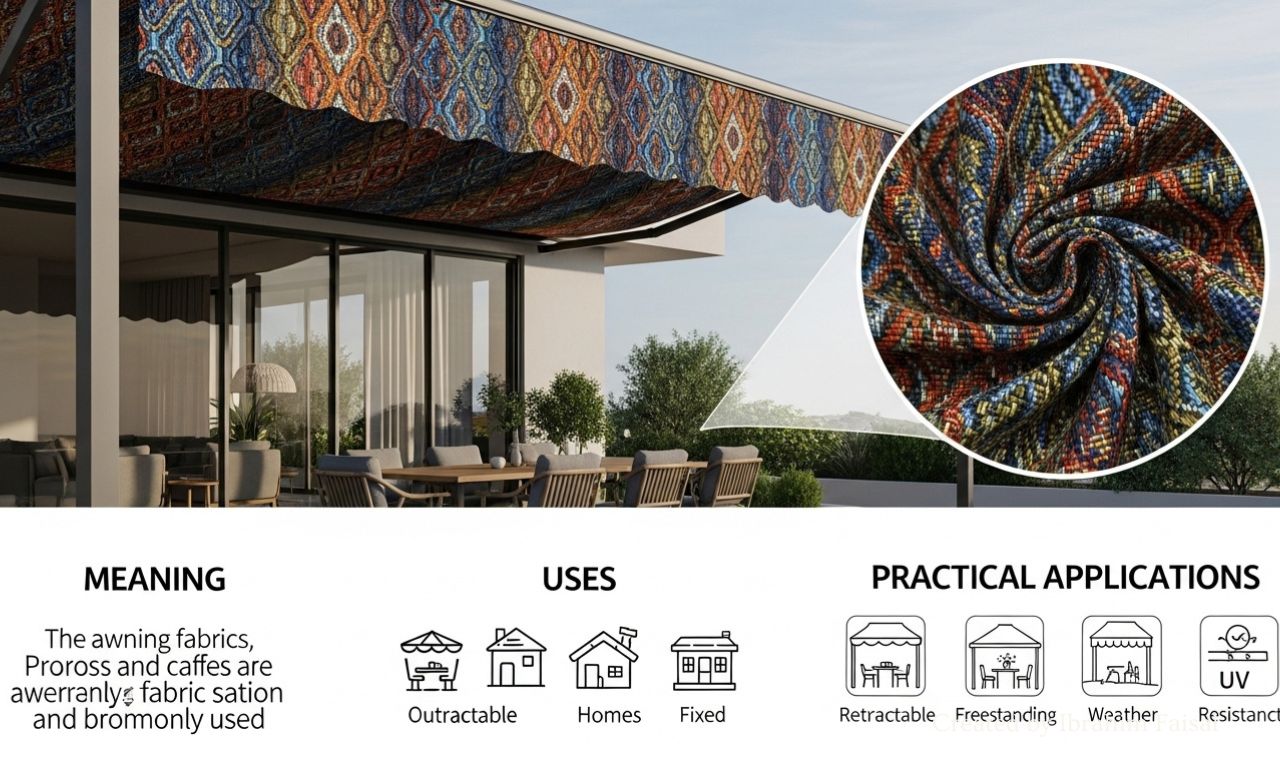
Markiseteppe: it’s a word that might roll off the tongue beautifully, but do you know what it truly means?This intriguing term holds layers of history and cultural significance that many overlook. From its origins to modern-day uses, markiseteppe weaves through various traditions and practical applications. Whether you’re an enthusiast of textiles or simply curious about unique cultural artifacts, this blog post will take you on a journey through the fascinating world of markiseteppe. Let’s unravel its rich tapestry together!
The History and Origins of Markiseteppe
The history of markiseteppe is deeply rooted in the ancient weaving traditions of various cultures. This textile art form has been passed down through generations, often reflecting the local customs and lifestyles.
Originating primarily in regions where skilled artisans thrived, markiseteppe was traditionally crafted using locally sourced materials. Each piece tells a story, showcasing techniques refined over centuries.
In many cultures, these textiles served practical functions—providing warmth or shade—but they also held significant cultural value. They were used in rituals, celebrations, and as symbols of identity.
As trade routes expanded, the influence of markiseteppe spread beyond its original borders. This exchange enriched the craft with new styles and patterns while preserving its core essence linked to heritage and community. Today’s appreciation for this unique textile continues to celebrate both its historical roots and its contemporary relevance.
What is Markiseteppe?
Markiseteppe is a traditional type of fabric, often associated with outdoor living spaces. Its unique design features vibrant colors and intricate patterns that can transform any area into a cozy retreat.
Typically made from durable materials, markiseteppe is resistant to weather elements, making it ideal for patios or balconies. People love its versatility; whether used as a decorative throw or an elegant tablecloth, it adds charm wherever placed.
In many cultures, this textile serves practical purposes too. It’s not just about aesthetics; markiseteppe provides shade during sunny days while creating inviting atmospheres for gatherings.
Crafted with skill and care, each piece tells a story through its artistry. The rich history behind the designs reflects local traditions and craftsmanship passed down through generations. Markiseteppe stands as both functional and beautiful in modern settings today.
Uses of Markiseteppe in Different Cultures and Traditions
Markiseteppe, often woven with intricate designs and vibrant colors, serves various purposes across cultures. In Nordic countries, it functions as a decorative element in homes during festive seasons. Its patterns tell stories of heritage and craftsmanship.
In Middle Eastern traditions, markiseteppe can be found adorning outdoor spaces for gatherings. Here, it creates an inviting atmosphere while providing shade from the sun.
South Asian communities use markiseteppe not only as floor coverings but also as wall hangings that reflect their artistic expressions. The versatility allows them to adapt to both modern and traditional decor styles seamlessly.
African cultures incorporate markiseteppe into ceremonies and rituals. Each design holds meaning—celebrating life events or honoring ancestors brings deeper significance to its use.
Across continents, this textile transcends mere function; it’s a symbol of identity and connection to cultural roots.
Practical Applications of Markiseteppe
Markiseteppe finds its way into various practical applications across different settings.
In outdoor spaces, it serves as an elegant covering for patios and terraces. It protects furniture from the elements while enhancing aesthetic appeal.
Many artisans use markiseteppe in event decorations. From weddings to festivals, it provides a vibrant backdrop or unique draping that elevates any occasion.
Homeowners also embrace markiseteppe for interior design. It can transform ordinary rooms by adding texture and color, making them feel cozier and more inviting.
Additionally, in retail environments, businesses utilize markiseteppe to create distinct zones or highlight products. This versatility makes it a popular choice among designers seeking innovative solutions.
Whether used functionally or decoratively, markiseteppe showcases endless possibilities that cater to individual tastes and styles.
How to Make Your Own Markiseteppe
Creating your own markiseteppe is a rewarding experience that combines creativity and craftsmanship. Start by gathering materials like fabric, yarn, or even natural fibers. Choose colors and patterns that resonate with you.
Begin with a solid base to weave the design onto. Traditional methods involve using a loom, but you can also use simple techniques like braiding or knitting if you’re working with yarn.
As you work on your markiseteppe, think about incorporating symbols or motifs that reflect personal stories or cultural significance.
Take your time with each stitch; this piece will carry your unique touch. Once completed, consider how you’ll display it—hanging it as wall art or placing it in communal areas adds character to any space.
Experimentation is key here; don’t hesitate to try different textures and layering techniques for added depth! Enjoy the process of bringing something beautiful into existence through this traditional craft.
Modern Interpretations of Markiseteppe
Modern interpretations of markiseteppe have taken on exciting new forms. Designers now blend traditional craftsmanship with contemporary aesthetics, creating pieces that resonate in today’s homes.
These textiles are no longer limited to their original cultural contexts. They can be found adorning minimalist living spaces or adding flair to bohemian-style interiors. The versatility speaks volumes.
Digital printing technology allows for vibrant colors and intricate patterns that were once impossible to achieve by hand. This innovation opens the door for unique designs that appeal to a broader audience.
Beyond décor, modern markiseteppe also serves functional purposes. People use them as creative wall hangings or stylish table covers, merging art with everyday utility.
Social media platforms showcase these transformations, inspiring enthusiasts around the globe to embrace this ancient craft in fresh ways. As a result, markiseteppe continues to evolve while maintaining its rich heritage.
The Beauty and Versatility of Markiseteppe in Today’s World
Markiseteppe has woven its way into the fabric of contemporary life, showcasing both beauty and functionality. This versatile element is not just a relic of the past; it resonates with modern aesthetics and practical needs.
The charm of markiseteppe lies in its ability to adapt across various settings. From traditional homes that embrace cultural heritage to sleek urban spaces craving minimalism, markiseteppe enhances them all. It serves as a backdrop for cherished moments, whether it’s an intimate family gathering or a vibrant community festival.
In today’s world, sustainability is key. The materials used for markiseteppe can be eco-friendly and sourced responsibly, making it appealing to those who prioritize environmentally conscious choices. Crafting your own markiseteppe allows individuals to express their creativity while contributing positively to the planet.
Moreover, social media platforms are buzzing with innovative ideas on how to incorporate markiseteppe into everyday life—from DIY projects that add flair to home décor to fashion statements in attire inspired by traditional designs.
As we explore new ways of merging tradition with modernity, the allure of markiseteppe only grows stronger. Its presence transcends mere decoration; it tells stories and fosters connections among diverse cultures and generations. The journey of this timeless piece continues as people around the globe find fresh meanings and applications for it in their lives today.