
 By california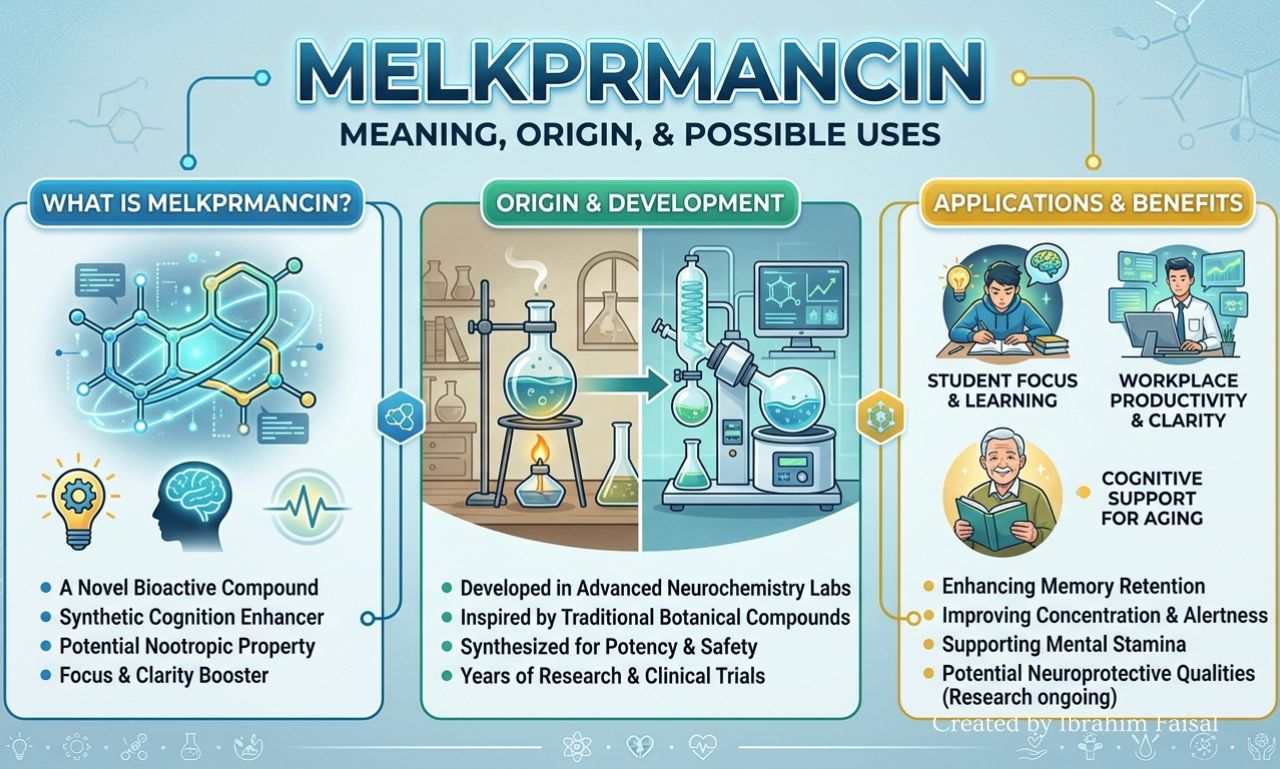
Have you ever stumbled upon a word that piques your curiosity? Melkprmancin is one such term. It dances on the edge of mystery, inviting exploration and discovery. This unique word isn’t just a jumble of letters; it carries with it layers of meaning and potential uses that are waiting to be uncovered. Join us as we delve into the intriguing world of melkprmancin, tracing its oriagins, exploring its meanings, and discussing how this fascinating term can fit into our modern lexicon. Let’s embark on this linguistic journey together!
Origin and History of the Word
The term “melkprmancin” has a fascinating yet elusive history. Its roots seem to be buried deep in linguistic evolution, making it one of the more enigmatic words in modern vocabulary.
Some linguists speculate that it may derive from ancient dialects, possibly linking back to pastoral life and dairy farming traditions. The word’s structure hints at a blend of agricultural terminology infused with regional influences.
As languages evolve, so do their words. Various cultures might have adapted or altered “melkprmancin,” giving rise to different interpretations over time. This adaptability showcases how language can reflect societal changes or cultural exchanges.
Despite its obscure origins, the intrigue surrounding “melkprmancin” highlights our perpetual curiosity about language and meaning. Each attempt to trace its lineage opens new avenues for exploration within historical linguistics.
Possible Origins and Meanings
The term “melkprmancin” is intriguing, with its roots potentially tracing back to various linguistic traditions. Some speculate it might be derived from a blend of words in regional dialects or even ancient languages.
One theory suggests that it combines elements related to dairy farming, given the prefix “melk,” which means milk in some languages. This could hint at an agricultural connection or a specific practice within rural communities.
Alternatively, others propose that it may have evolved from cultural practices surrounding communal gatherings and shared meals centered around dairy products.
Through this lens, “melkprmancin” could symbolize nourishment and togetherness—concepts deeply embedded in many cultures worldwide. The ambiguity surrounding its exact origin only adds to its allure, inviting further exploration into how language shapes our understanding of community and culture.
Similar Words in Different Languages
Language is a fascinating tapestry that weaves together cultures and ideas. When exploring the term “melkprmancin,” it’s interesting to look at its counterparts in other languages.
In Dutch, for instance, “melk” means milk. This showcases how words can evolve yet maintain connections through meaning.
Similarly, in Italian, you might encounter “latte,” which also translates to milk. It’s intriguing how different languages express similar concepts with unique sounds and structures.
Additionally, in Scandinavian tongues like Swedish or Danish, variations of “mjölk” are present. Here too lies a shared theme around dairy products.
These linguistic similarities highlight the rich interplay between language and culture while reminding us of our global interconnectedness through simple terms related to everyday life. Each word holds stories from distinct histories and traditions waiting to be uncovered.
How the Word May be Used in Modern Times
The word melkprmancin may find its way into various contemporary contexts. For instance, it could be used in artistic expressions or literary works, evoking themes of nostalgia or cultural identity.
Social media platforms might adopt the term as a hashtag to discuss heritage and language preservation. This can spark conversations about lesser-known words and their significance.
In educational settings, teachers can introduce melkprmancin when exploring etymology or linguistic diversity. It offers a unique opportunity for students to engage with language creatively.
Moreover, businesses focused on artisanal products could utilize the word in branding efforts, highlighting craftsmanship and tradition. This would resonate with consumers seeking authenticity in their purchases.
As global connectivity increases, such terms bridge cultures and invite dialogue about shared human experiences.
The Importance of Preserving Language and Culture
Language is more than just a means of communication. It carries the soul of a culture, encapsulating history, beliefs, and traditions. When languages fade away, so too do unique perspectives on life.
The preservation of language helps maintain cultural identity. Each word tells stories that connect generations. Losing these words can mean losing entire histories.
Additionally, diverse languages enrich global knowledge and creativity. They offer varied ways to interpret the world around us. This diversity fosters innovation and understanding among different communities.
Efforts to keep languages alive often involve teaching them in schools or through community programs. Digital platforms also play a role by providing resources for learning lesser-known tongues.
In an increasingly homogenized world, valuing linguistic diversity becomes crucial for fostering tolerance and appreciation among cultures. Every effort counts in keeping our collective human experience vibrant and multifaceted.
Conclusion
Melkprmancin embodies the rich tapestry of language, inviting curiosity and exploration. This unique term reflects not only its potential meanings but also showcases the beauty of cultural diversity. As we delve into its origins, history, and possible usages, it becomes clear that words like melkprmancin serve as bridges connecting us to our past while enriching our understanding of contemporary expression.
Preserving such terms is vital for maintaining cultural heritage. Each word carries stories and traditions that deserve recognition and respect. Embracing these linguistic treasures fosters appreciation for diverse cultures and their narratives.
Engaging with words like melkprmancin encourages deeper connections among communities worldwide. By exploring their significance, we honor the languages they emerge from—celebrating both similarities and differences in human expression.
As you navigate your own linguistic journey, keep an eye out for unique terms that pique your interest. You never know what insights or inspiration may arise when you immerse yourself in a world filled with fascinating words waiting to be discovered.